Industry
The Rise of Passive Wellness: Designing for a Tired, Overstimulated Nation
We live in an era of perpetual fatigue. Between relentless digital input, 24/7 work culture, and global uncertainty, many people don’t just feel burned out—they feel beyond capacity. While wellness has gone mainstream, participation in active practices is declining. The reason? P...
We live in an era of perpetual fatigue. Between relentless digital input, 24/7 work culture, and global uncertainty, many people don’t just feel burned out—they feel beyond capacity. While wellness has gone mainstream, participation in active practices is declining. The reason? People are too depleted to engage with wellness that feels like more work.
Enter passive wellness—the emerging movement reshaping how we define self-care, recovery, and regulation. These are not lazy alternatives to traditional modalities. They respond to a very real biological and emotional state: exhaustion.
For wellness spaces that want to meet people where they truly are, designing passive, sensory-based experiences is no longer optional—it’s foundational.
What Is Passive Wellness—and Why Now?
Passive wellness refers to healing modalities that don’t require client effort, learning, or interaction. Unlike yoga, therapy, or group classes—which involve some level of output—passive modalities allow the body and nervous system to reset through direct sensory input.
This includes tools like:
Vibroacoustic therapy
Light and sound entrainment
Float tanks
Infrared saunas
Aromatherapy lounges
Zero-effort meditation environments
The appeal? Clients can receive real, measurable benefits without needing to “do” anything. And in today’s landscape, that’s a critical form of accessibility.
Why This Shift Matters
Passive wellness isn’t just a trend—it’s a reflection of our cultural moment. Several forces are driving its rise:
Cognitive overload: People are fatigued by decisions, screens, and overstimulation.
Emotional depletion: Many feel they don’t have the capacity for emotional labor, even if they want to heal.
Time scarcity: Traditional wellness practices often require scheduling, commitment, and preparation.
Biological burnout: The nervous system cannot engage in activation-based healing when it's stuck in survival mode.
In short, people are still hungry for transformation—but they need a low-friction path to it.
Meeting Demand with Sensory-Driven Environments
Designing for passive wellness means rethinking the role of your space and your service menu. It’s no longer about guiding clients through effort—it’s about offering experiences that do the guiding for them.
The most effective passive tools today use multisensory cues—sound, vibration, and light—to shift brain and body states. These tools tap into neuroscience, helping users drop into alpha or theta waves, calm the vagus nerve, and regulate stress without having to think about it.
Imagine:
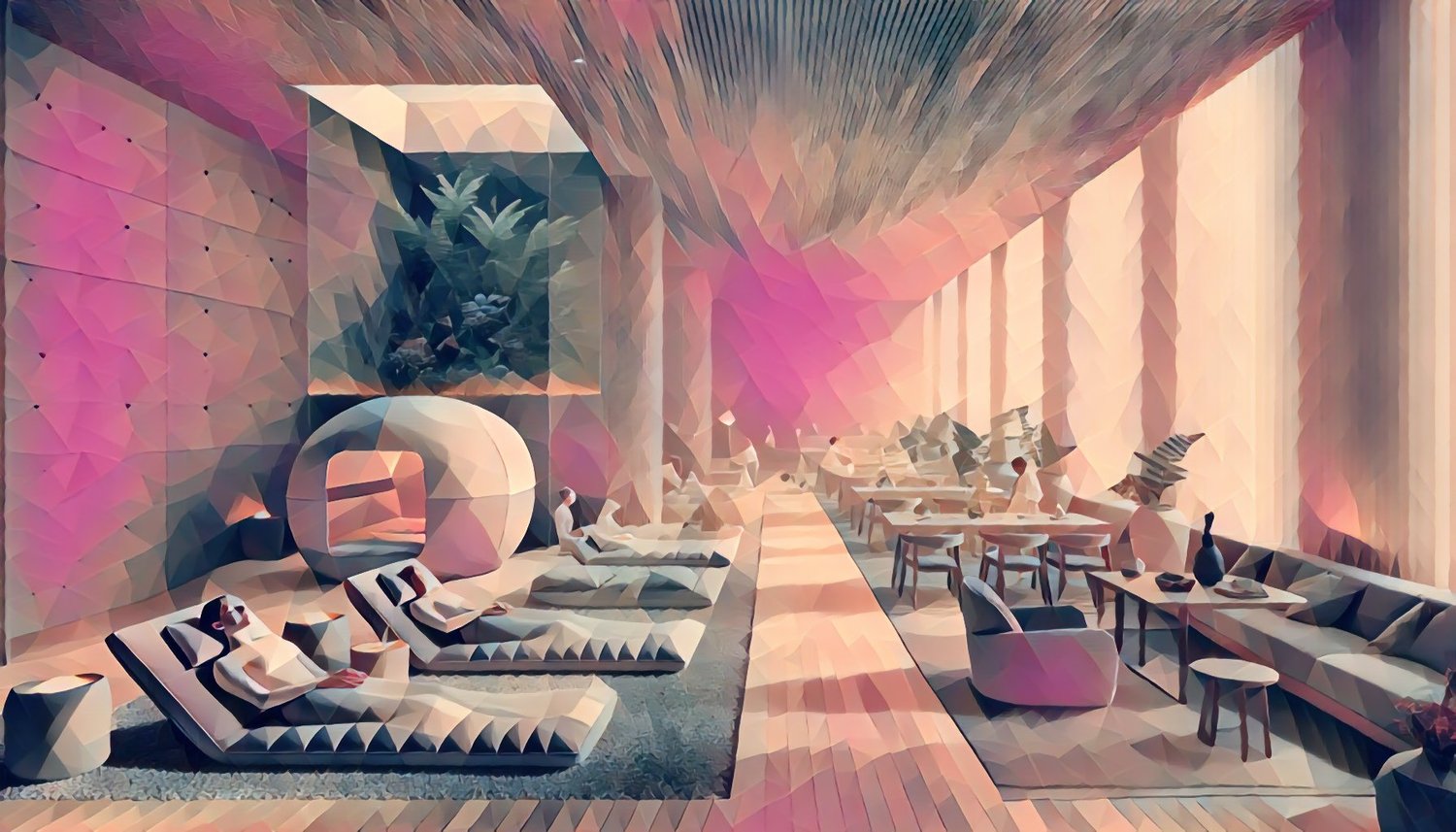
A Reset Room where clients lie back for 20 minutes and leave feeling like they had a 2-hour nap.
A Sensory Lounge where nervous systems are rewired with rhythmic input and no verbal instruction.
A Midday Recharge Station offering high-impact calm in between appointments or before heading home.
These aren’t luxuries. They’re lifelines.
Passive Wellness Is Inclusive by Design
One of the most powerful aspects of this shift is its inclusivity. Passive modalities are ideal for:
Burned-out professionals who can’t commit to regular classes
Individuals with trauma who need gentle nervous system entry points
Neurodivergent clients who benefit from non-verbal sensory input
Seniors or people with limited mobility
First-timers who feel intimidated by more interactive or body-based practices
Wellness should be welcoming, not performative. Passive experiences expand access without lowering quality.
The Business Case for Passive Modalities
Beyond the client experience, passive wellness makes smart business sense:
Minimal staffing required
Scalable for small rooms or lounges
Stackable with other services to increase session value
Attractive entry point for new clients
This is where efficiency meets impact—where wellness becomes both sustainable and profitable.
Experience It
The Denver Zen Den uses light, sound, and vibration to move your nervous system from reading to feeling. Come see what that shift actually feels like.
Build Your Session